
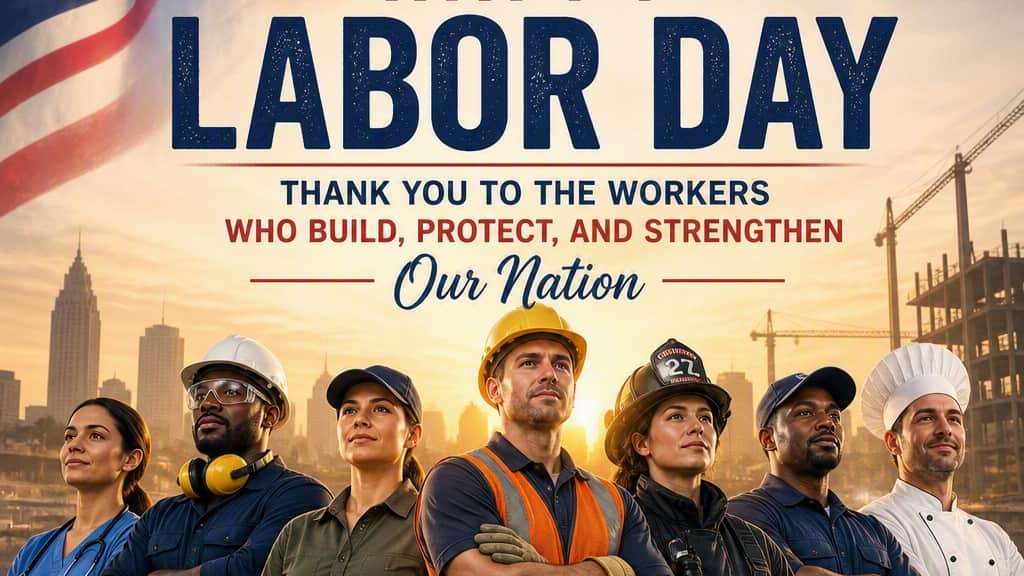
Labor Day: How a Workers Holiday Became a National Tradition
How Labor Day grew from Industrial Revolution struggles, the first 1882 parade, and the Pullman Strike into a national holiday honoring workers.
JobBlueLink
|Sep 4, 2026Welcome to Job Talk—your source for field-tested advice on landing better shifts, negotiating higher pay, and building a career on your own terms.
How Labor Day grew from Industrial Revolution struggles, the first 1882 parade, and the Pullman Strike into a national holiday honoring workers.
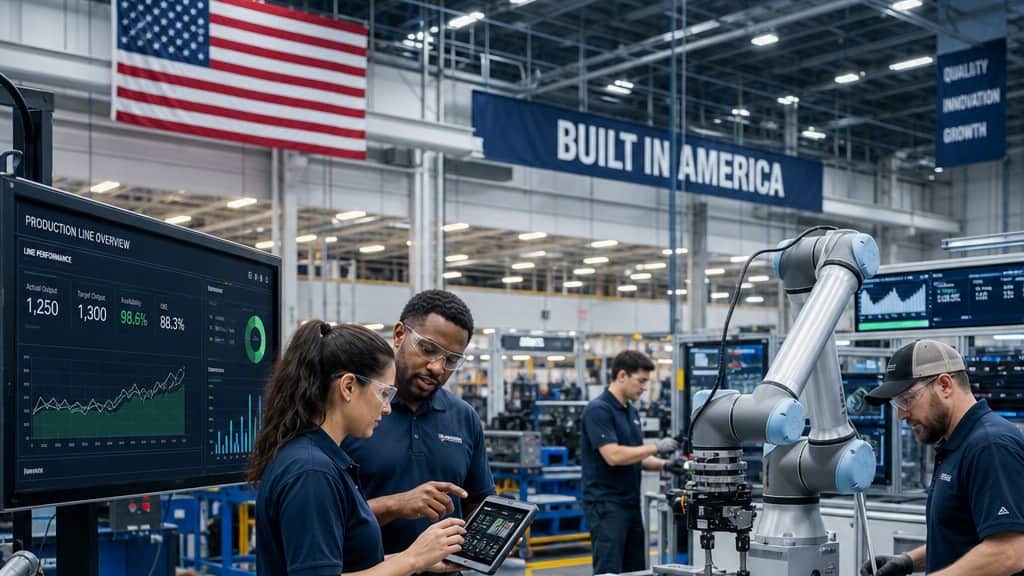
U.S. manufacturing hit a 4-year high with the ISM PMI at 55.6. See where hiring is rebounding and how job seekers can position themselves to get hired.

Practical, affordable July 4th ideas for blue-collar workers: BBQs, parades and fireworks, outdoor time, family relaxation, and community events.
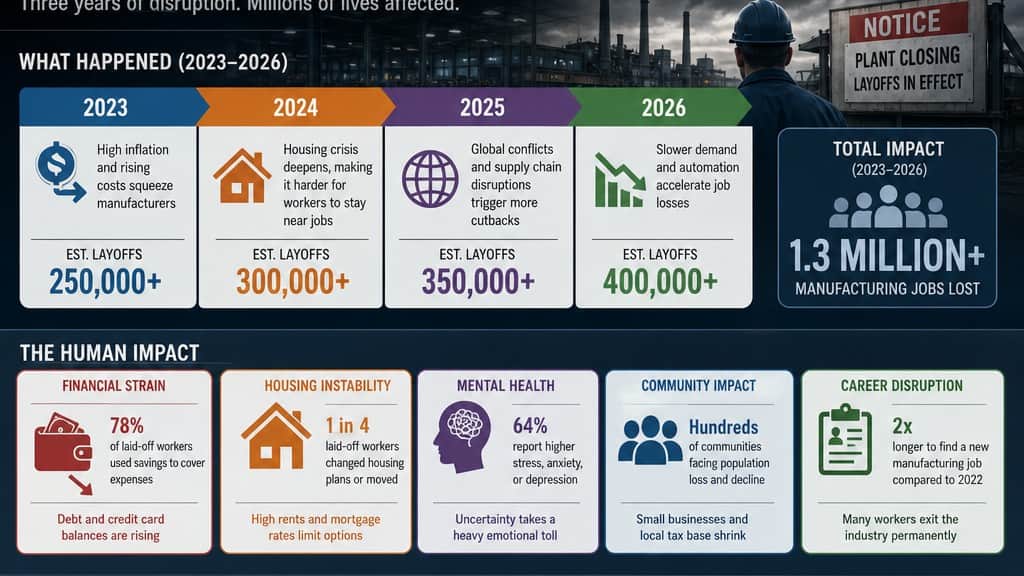
How inflation, housing costs, and global conflict drove U.S. manufacturing layoffs from 2023 to 2026, how they hit workers, and how workers are adapting.
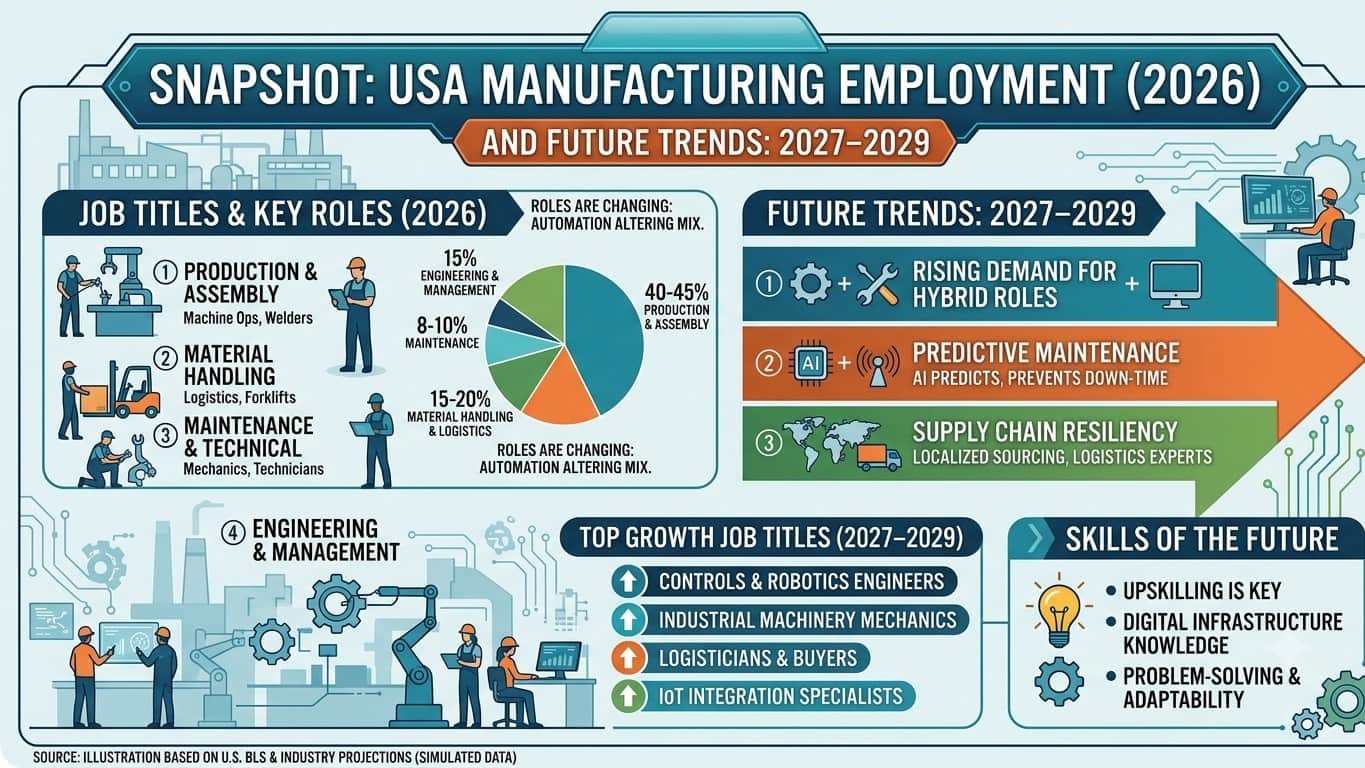
U.S. manufacturing employs about 12.6 million workers in 2026. See which job titles and subsectors are shifting and the trends shaping 2027–2029.
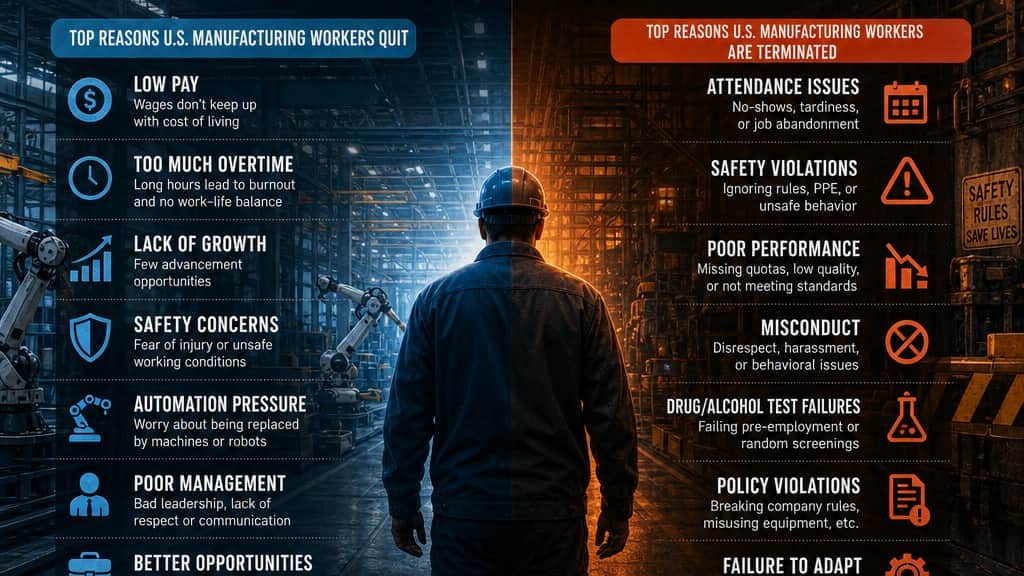
The top reasons U.S. manufacturing workers get fired, ranked: attendance, safety violations, poor performance, misconduct, and failed drug tests.
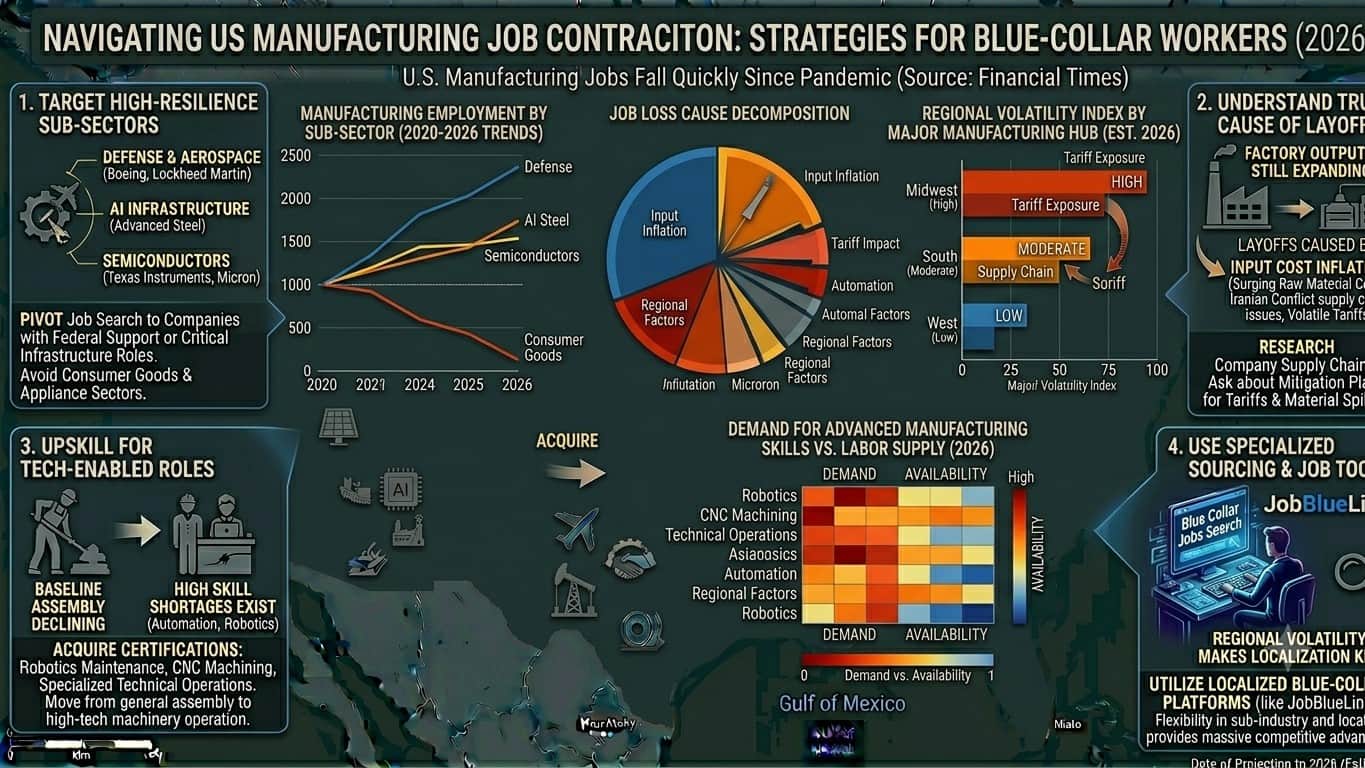
U.S. manufacturing jobs are shrinking. How blue-collar workers can prepare: target resilient sub-sectors, understand layoffs, and upskill for automation.
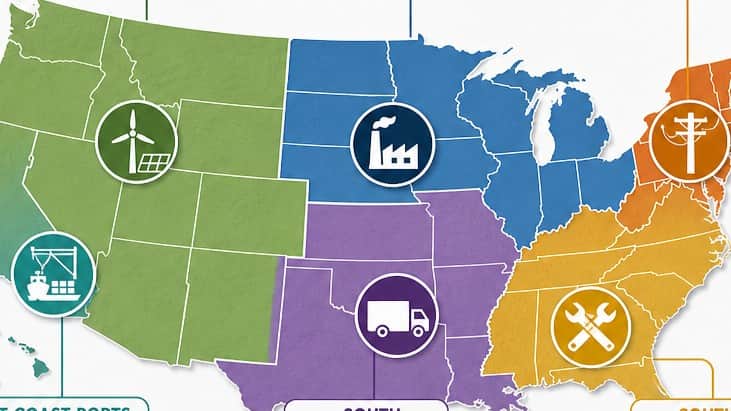
Which blue-collar jobs workers prefer in 2026 across the Midwest, South, West, and Northeast, and how local industry and economics shape those choices.
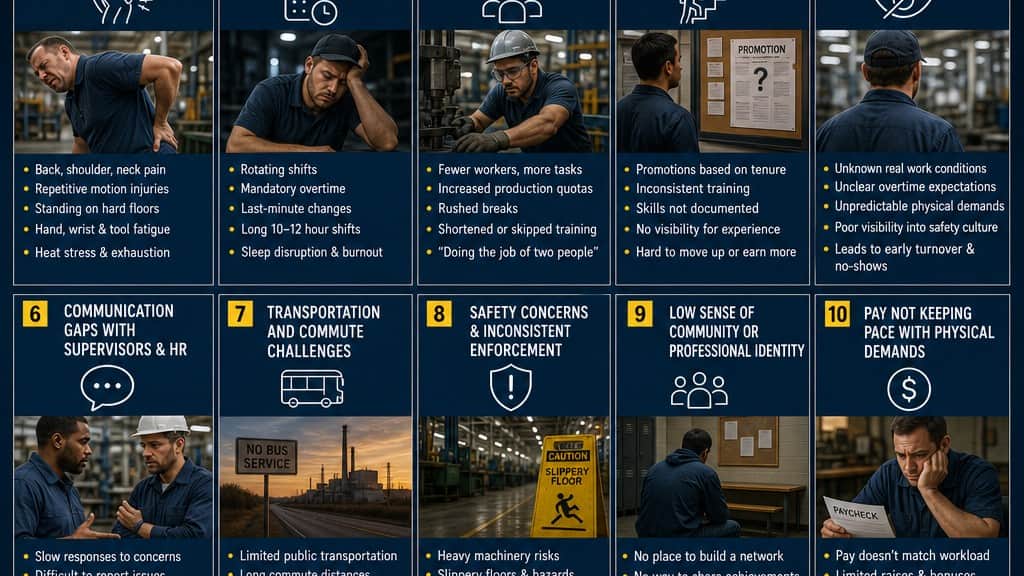
The biggest pain points for U.S. factory workers in 2026: physical strain, fatiguing shifts, short-staffed lines, limited mobility, and safety gaps.